
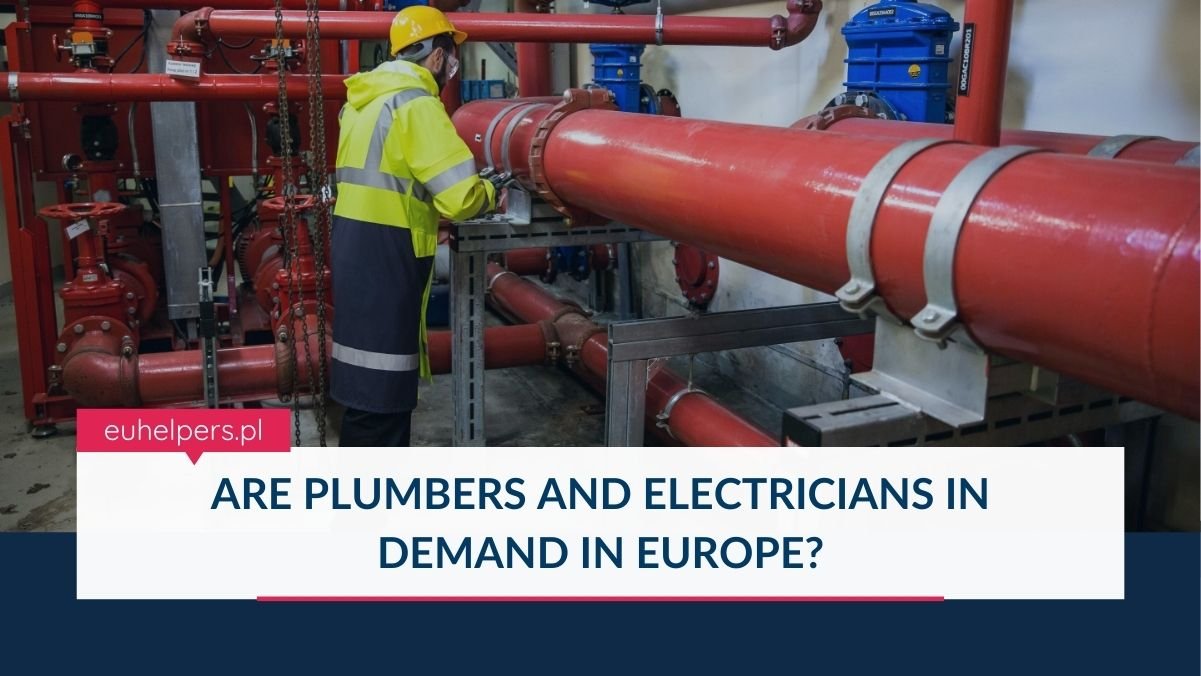
Yes, plumbers and electricians are highly in demand across Europe. Many European countries are facing a serious shortage of skilled trade workers due to aging populations, rapid construction growth, and increased infrastructure upgrades. As a result, qualified foreign plumbers and electricians are actively recruited for both short-term and long-term jobs.
This demand is expected to continue for the next decade, making these professions among the most stable and secure career options in Europe.
Why Europe Needs More Plumbers and Electricians
Several key factors are driving demand:
-
Aging workforce and early retirements
-
New housing projects and smart city development
-
Renovation of old buildings to meet EU safety standards
-
Growth in renewable energy and electrical systems
-
Expansion of factories, warehouses, and logistics hubs
Local workers alone cannot fill these gaps, so employers are increasingly open to hiring non-EU skilled workers.
Which European Countries Have the Highest Demand?
Plumbers and electricians are especially in demand in:
-
Germany
-
Poland
-
Czech Republic
-
Slovakia
-
Hungary
-
Netherlands
-
Sweden
-
Finland
-
Norway
Germany, in particular, officially lists electricians and plumbers under shortage occupations, which makes work permit approvals faster.
Typical Job Roles Available
Common job roles include:
-
Residential and commercial plumbers
-
Industrial plumbers and pipe fitters
-
Maintenance electricians
-
Construction electricians
-
Factory and warehouse electricians
-
Renewable energy technicians (solar, wind, EV systems)
Both entry-level skilled workers and experienced professionals are needed.
Average Salary for Plumbers and Electricians in Europe
Salaries vary by country, experience, and sector.
-
Plumbers: €1,600 – €3,000 per month
-
Electricians: €1,700 – €3,500 per month
In Western and Northern Europe, wages are higher, while Central and Eastern Europe often offer free accommodation and lower living costs, helping workers save more.
Do Foreign Workers Need a License or Certification?
Yes, but requirements differ by country.
Most employers require:
-
Relevant work experience (1–3 years)
-
Trade diploma or vocational certificate
-
Basic English (local language is a plus)
In some countries, workers can start working first and later complete local certification or skill recognition.
EUHelpers assists candidates in understanding country-specific requirements.
Work Permits and Visa Options
Most non-EU workers apply through:
-
Employer-sponsored work permits
-
National long-term work visas
-
Seasonal or project-based permits (in some countries)
Processing times usually range from 1 to 4 months, depending on the country.
Are These Jobs Long-Term and Stable?
Yes. Plumbing and electrical work is considered essential skilled labor.
Benefits often include:
-
Long-term contracts
-
Paid leave and overtime
-
Health insurance and social security
-
Accommodation support
-
Family reunification options (in many countries)
These roles also provide a pathway to residence permits or permanent stay in certain countries.
Is Europe a Good Choice for Skilled Trade Workers?
For plumbers and electricians, Europe offers:
-
Strong job security
-
Legal employment contracts
-
Safe working conditions
-
Fair wages and worker protection
-
High demand across multiple countries
This makes Europe one of the best destinations for skilled trade professionals worldwide.
How EUHelpers Supports Skilled Workers
EUHelpers connects skilled workers with verified European employers and supports them with:
-
Job matching
-
Documentation guidance
-
Work permit process support
-
Clear information on salary, benefits, and contracts
This ensures a transparent and reliable pathway to working in Europe.
Frequently Asked Questions (FAQs)
Are plumbers and electricians on Europe’s shortage occupation list?
Yes, in many countries like Germany, Poland, and the Netherlands.
Do I need to know the local language?
Basic English is often enough to start. Local language skills improve job growth.
Can I bring my family later?
In many countries, yes, after meeting residence requirements.
Is experience mandatory?
Most jobs require at least 1 year of experience, but some entry-level roles exist.