
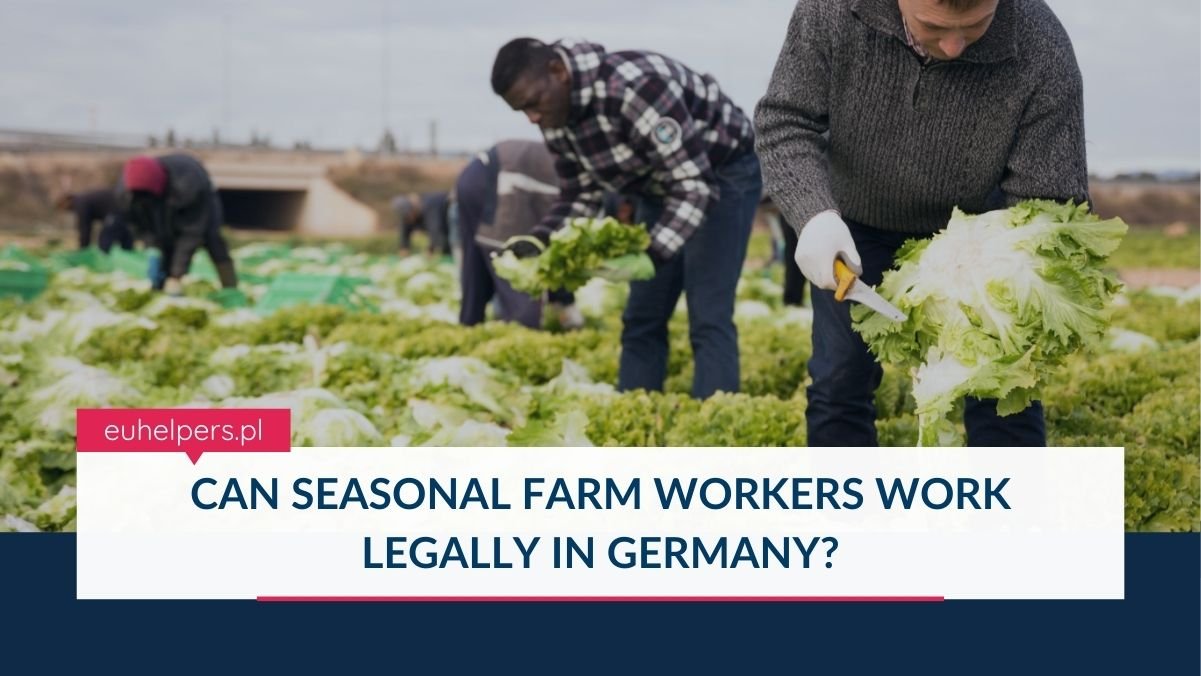
Yes, seasonal farm workers can work legally in Germany, provided they hold the correct visa or residence permit and are employed by a registered German agricultural employer. Germany relies heavily on seasonal foreign labor, especially during planting and harvest seasons, making this one of the most accessible legal work options for non-EU workers in agriculture.
What Is Considered Seasonal Farm Work in Germany?
Seasonal farm work usually includes short-term agricultural jobs such as:
-
Fruit and vegetable harvesting
-
Planting and field preparation
-
Greenhouse and nursery work
-
Vineyard and orchard labor
-
Sorting, packing, and basic farm processing
These roles are temporary and directly linked to Germany’s agricultural seasons.
Who Can Work as a Seasonal Farm Worker in Germany?
Seasonal farm work in Germany is open to:
-
Non-EU nationals with an approved seasonal job offer
-
Workers hired directly by German farms or agricultural companies
-
Applicants who meet visa, health insurance, and employment conditions
EU and EEA citizens do not need visas, but non-EU workers must apply in advance.
Which Permit Is Used for Seasonal Farm Work in Germany?
Seasonal Employment Visa (Short-Term Employment)
This is the most common legal route for farm workers. Key points include:
-
Issued for temporary agricultural work
-
Valid for up to 90 days within 180 days, or up to 6 months in a year in specific cases
-
Employer must register the job with German authorities
-
No pathway to permanent residence
This permit is strictly for seasonal agricultural roles.
Is German Language Required for Seasonal Farm Workers?
German language skills are not mandatory for most seasonal farm jobs.
However:
-
Basic German helps with safety instructions
-
Employers may prefer workers who understand simple workplace terms
Many farms provide on-site guidance without requiring formal language certificates.
Salary and Working Conditions for Seasonal Farm Workers
Seasonal farm workers must receive:
-
At least the German statutory minimum wage
-
Equal pay and conditions as German workers in similar roles
-
Regulated working hours and rest periods
Employers are legally responsible for compliance.
Documents Required for Seasonal Farm Work in Germany
Commonly required documents include:
-
Valid passport
-
Job contract or official job offer
-
Employer registration or approval
-
Health insurance coverage
-
Proof of accommodation (often provided by employer)
Incomplete or false documents are a frequent cause of refusal.
Is Accommodation Provided for Seasonal Farm Workers?
In many cases, yes. German farm employers often:
-
Provide shared accommodation
-
Deduct reasonable housing costs from wages
-
Register worker addresses with local authorities
Accommodation standards must meet German regulations.
Can Seasonal Farm Workers Change Employers in Germany?
Generally, no.
Seasonal permits are:
-
Employer-specific
-
Limited to the approved job and location
Changing employers usually requires leaving Germany and reapplying.
Can Seasonal Farm Work Lead to Long-Term Stay in Germany?
No. Seasonal farm work:
-
Does not lead to permanent residence
-
Does not count toward long-term EU residence
-
Cannot be converted into a skilled worker permit from within Germany
Workers must leave Germany after the permit expires.
What Happens If Someone Works Illegally on a Farm in Germany?
Illegal farm work can result in:
-
Immediate termination
-
Fines or deportation
-
Entry bans from Germany and Schengen countries
-
Legal penalties for employers
Germany actively inspects agricultural workplaces.
Key Takeaway
Seasonal farm workers can work legally in Germany, but only with the correct seasonal employment permit and an approved employer. These jobs offer short-term legal income opportunities, but they are not a pathway to long-term residence. Following legal procedures is essential to avoid serious immigration consequences.