
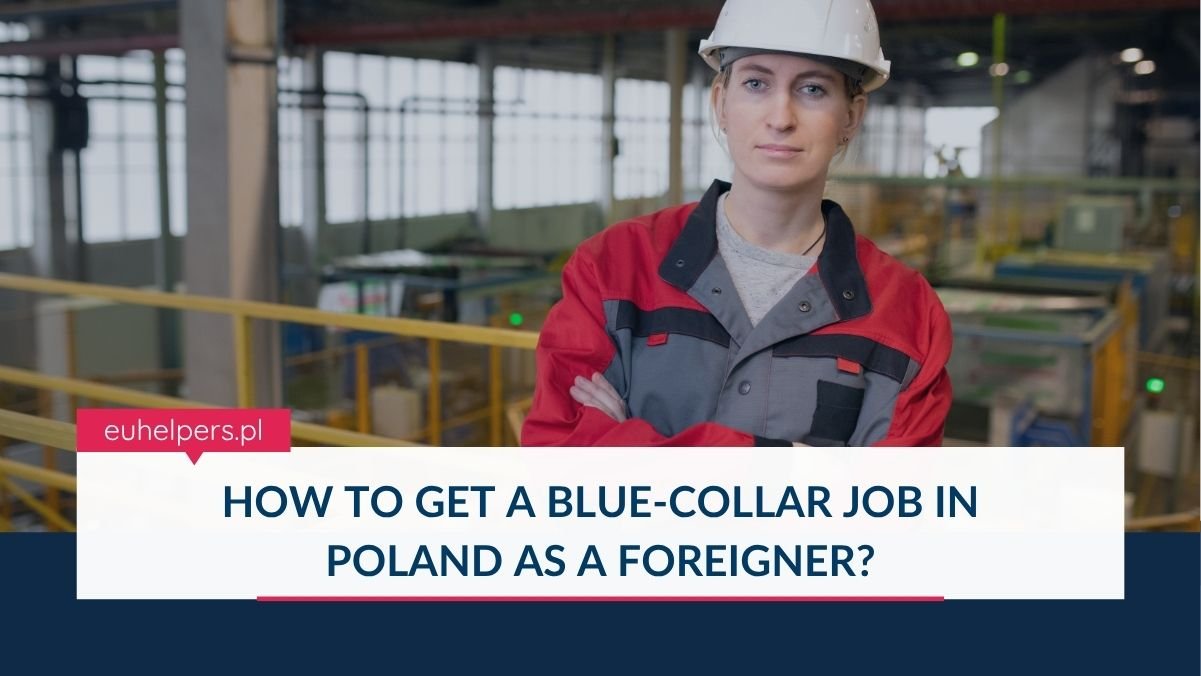
Poland is one of the easiest and most popular European countries for foreign workers to find blue-collar jobs. With a strong manufacturing, logistics, and construction sector, there is high demand for workers in factories, warehouses, farms, and skilled trades. Many Polish companies actively hire foreign workers due to local labour shortages.
If you are considering working in Europe, Poland offers a straightforward entry process, reliable employment, and budget-friendly living expenses.
Why Choose Poland for Blue-Collar Jobs
Poland is a top destination for foreign workers because:
- High demand for labour in multiple industries
- Easy work visa process compared to Western Europe
- No high qualifications are required for many jobs.
- Affordable cost of living
- Availability of entry-level jobs
- Opportunity to move to other EU countries later
This makes Poland ideal for both beginners and experienced workers.
Most In-Demand Blue-Collar Jobs in Poland
You can find jobs in various sectors:
- Factory workers (packing, assembly, production)
- Warehouse workers (pickers, loaders, forklift operators)
- Construction workers (labourers, electricians, plumbers)
- Food processing workers (meat, dairy, packaging)
- Farm workers (seasonal agriculture jobs)
- Cleaners and housekeeping staff
These jobs are available year-round, mainly in industrial regions.
Step-by-Step Process to Get a Job in Poland
Step 1: Choose the Right Job Category
Decide the type of job based on your skills:
- Entry-level: factory, warehouse, farm
- Skilled: electrician, welder, driver
- Semi-skilled: machine operator, construction helper
Selecting the right job category improves your chances of being hired.
Step 2: Apply Through Verified Sources
Always apply through trusted platforms:
- EU Helpers (recommended for verified jobs)
- Licensed recruitment agencies
- Direct company applications
Verify job offers to avoid scams.
Step 3: Get a Job Offer Letter
To work legally in Poland, you must have:
- Official job offer from the employer
- Signed employment contract
You need these documents for the visa process.
Step 4: Employer Applies for Work Permit
The employer in Poland will apply for:
- Work Permit (Type A) or
- Declaration of Employment (Oświadczenie)
Approval is required before a visa application.
Step 5: Apply for a Polish Work Visa
After receiving the permit:
- Apply for National Visa (Type D)
- Submit documents to the embassy.
- Attend the biometrics and interview.
Processing takes 2–6 weeks.
Step 6: Travel and Start Work
Once approved:
- Travel to Poland
- Register residence
- Start a job legally
You can also apply for a temporary residence permit later.
Salary for Blue-Collar Jobs in Poland
Salaries depend on job type:
- Factory workers: €900 – €1,300/month
- Warehouse workers: €1,000 – €1,400/month
- Construction workers: €1,200 – €2,000/month
- Skilled workers: €1,500 – €2,500/month. Earnings can increase through overtime or skill bonuses.s.
Benefits for Foreign Workers
Most employers provide:
- Accommodation (free or subsidised)
- Overtime pay
- Health insurance
- Transport facilities
- Paid leave
- Stable contracts. These benefits help lower your overall expenses.s.
Eligibility Requirements
To apply for jobs in Poland:
- Age: 18–50 years
- Basic English communication
- Physically fit
- No criminal record
For skilled jobs:
- Experience or certification required
Freshers can apply for entry-level roles without experience.
Documents Required
Prepare the following:
- Valid passport
- Updated CV
- Educational or skill certificates
- Work experience proof
- Medical fitness certificate
- Police clearance certificate
- Job offer letter
Cost of Living in Poland
Monthly expenses are affordable:
- Accommodation: €200–€400
- Food: €150–€250
- Transport: €50–€100
Total: €400–€700/month
Save a good portion of your salary each month.
Tips to Get a Job Faster
- Apply through trusted agencies like EU Helpers.
- Keep documents ready
- Learn basic English or Polish phrases.
- Be flexible with job roles.
- Apply for multiple jobs.
- Avoid fake job offers.
Prepare carefully to increase your chances of success.
Common Mistakes to Avoid
- Applying without a verified employer
- Paying large upfront fees
- Ignoring contract details
- Submitting incomplete documents
- Missing visa appointments
Follow legal procedure at all times.s.
Why Poland Is Best for First-Time Workers in Europe
Poland offers:
- Easy entry into Europe
- High job availability
- Lower competition compared to Western Europe
- Opportunity to gain international experience
Start your journey in Europe as a foreign worker in Poland.
Frequently Asked Questions (FAQs)
- Is it easy to get a job in Poland?
Yes, especially for blue-collar roles. - Do I need experience?
Not for entry-level jobs. - What visa is required?
National Work Visa (Type D). - How long does visa processing take?
2 to 6 weeks. - Is accommodation provided?
Yes, often free or subsidised. - Can I work overtime?
Yes, and it is paid. - Is Poland safe?
Yes, it is a safe country. - Can I extend my stay?
Yes, with a residence permit. - What language is required?
Basic English is sufficient. - Can freshers apply?
Yes, many jobs are entry-level.
Conclusion
Get a blue-collar job in Poland as a foreigner easily, since employers are seeking workers and the visa process is simple. Enjoy stable salaries, low living costs, and strong job availability to start your career in Europe. Following the correct steps and using trusted sources to secure a job and build a better future.
Apply now: https://euhelpers.com/jobs-in-europe