
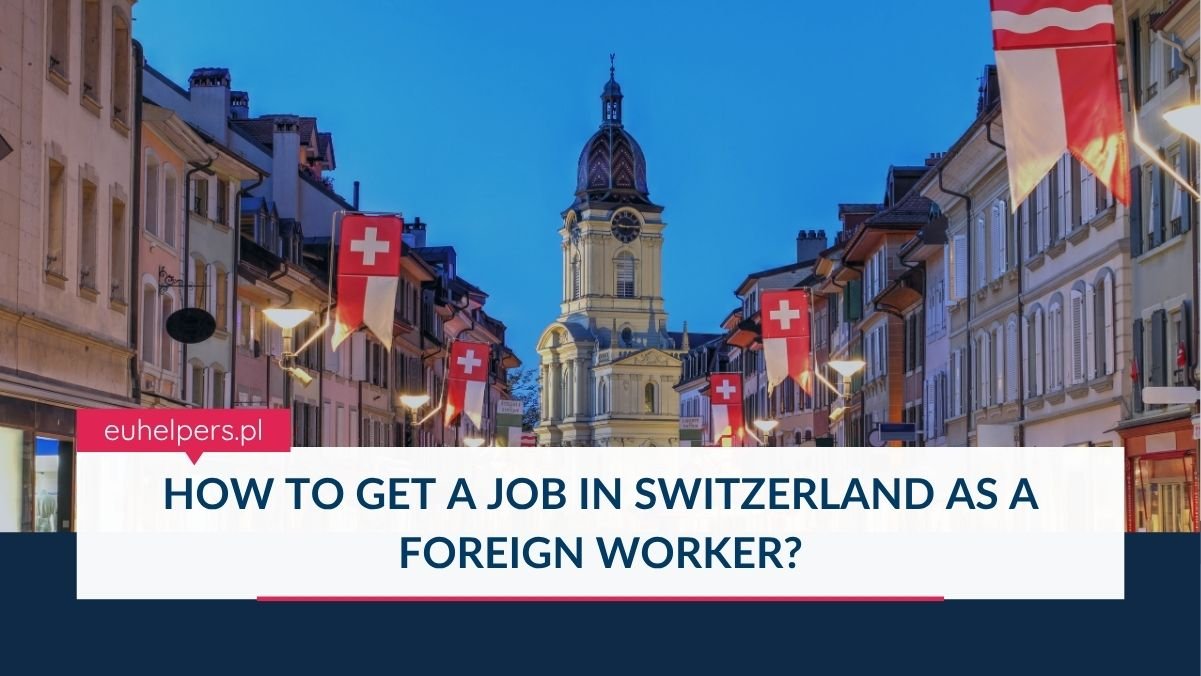
Switzerland is one of the most desirable countries in the world for foreign workers seeking high salaries, excellent working conditions, and a superior quality of life. Jobs in Switzerland for foreign workers are available across many industries including healthcare, hospitality, construction, engineering, IT, finance, agriculture, and manufacturing. With its strong economy, low unemployment rate, and growing need for skilled and semi-skilled labor, Switzerland has become a top destination for professionals and workers from across the globe. If you are looking to build a secure and rewarding career abroad, Switzerland offers some of the best opportunities available today.
The Swiss economy is known for its stability, innovation, and international outlook. Many of the world's leading companies have their headquarters or major operations in Switzerland, and they actively recruit foreign talent to fill positions that cannot be filled by the local workforce. The country is facing a shortage of workers in key sectors, and both private employers and government bodies have made it easier for qualified foreigners to enter the Swiss labor market. Whether you are a skilled engineer, an experienced nurse, a hotel worker, or a construction laborer, there are thousands of jobs waiting for the right candidates.
Foreign workers in Switzerland enjoy some of the highest salaries in Europe, along with strong labor protections, excellent healthcare, paid vacations, and long-term career growth opportunities. The country respects workers' rights, promotes fair treatment, and provides a safe, clean, and organized environment in which to live and work. This comprehensive guide will walk you through everything you need to know about finding a job in Switzerland as a foreign worker, including salary expectations, job responsibilities, requirements, visa processes, benefits, and how to apply through a trusted recruitment partner like EU Helpers.
Why Switzerland Is Hiring Foreign Workers
Switzerland has a population of just under nine million people, and its labor market cannot meet the demand created by its booming economy. The country relies heavily on foreign workers to fill positions in healthcare, hospitality, agriculture, construction, engineering, and many other sectors. Almost one in four workers in Switzerland is a foreign national, and this number continues to grow as the economy expands and the local population ages.
The Swiss government has designed a structured immigration system that allows qualified foreign workers to come and contribute to the economy legally. Employers who cannot find suitable candidates locally are permitted to hire from abroad, and they often provide full support including visa sponsorship, relocation assistance, and accommodation. This system has created thousands of opportunities for workers from the European Union, as well as from non-EU countries like India, the Philippines, Nepal, Pakistan, Bangladesh, Sri Lanka, Nigeria, Kenya, Brazil, and many others.
Labor shortages are particularly severe in healthcare, where hospitals and nursing homes need thousands of nurses, caregivers, and medical assistants. The hospitality industry, especially in tourist hubs like Zurich, Geneva, Lucerne, Zermatt, and Interlaken, is constantly hiring chefs, waiters, housekeepers, and receptionists. The construction sector needs carpenters, electricians, plumbers, masons, and general laborers to support ongoing infrastructure projects. Engineering, IT, and finance are also booming, with top companies offering attractive packages to skilled professionals from around the world.
Current Hiring Trends and Job Market in Switzerland
The Swiss job market is strong and growing. Unemployment is at one of the lowest levels in Europe, and companies are struggling to find enough workers to meet demand. This has created a highly favorable environment for foreign job seekers, especially those with skills that are in short supply locally. Employers are offering higher salaries, better benefits, and more flexible contracts to attract international talent.
Digital skills, green energy expertise, healthcare qualifications, and trade certifications are among the most sought-after in the Swiss job market. Companies in the pharmaceutical, banking, watchmaking, chocolate, and luxury goods industries are also hiring internationally. Remote and hybrid work models are becoming more common, but most foreign workers are recruited for on-site positions that require physical presence in Switzerland.
Another major trend is the increase in seasonal and permanent contracts for hospitality and agriculture workers. Ski resorts, luxury hotels, and mountain restaurants hire thousands of workers every season, many of whom come from abroad. Similarly, vineyards, dairy farms, and fruit farms across the Swiss countryside rely on foreign labor during peak periods. These opportunities often come with accommodation, meals, and transport included, making them excellent entry points for workers who want to experience Switzerland before seeking permanent employment.
Job Highlights for Foreign Workers in Switzerland
Below is a clear summary of what foreign workers can expect when accepting a job in Switzerland. These figures represent realistic market standards across various industries and skill levels.
| Job Detail | Information |
|---|---|
| Job Categories | Healthcare, Hospitality, Construction, IT, Engineering, Agriculture, Manufacturing |
| Monthly Salary | CHF 4,000 – CHF 9,500 (approx. €4,200 – €10,000) |
| Contract Duration | 1 to 5 years (renewable, leading to permanent residency) |
| Working Hours | 40 to 45 hours per week |
| Overtime Availability | Yes, paid at 25%–50% extra |
| Accommodation | Provided or subsidized in many contracts |
| Transportation | Covered or reimbursed in most contracts |
| Paid Leave | 20 to 25 working days per year + public holidays |
| Health Insurance | Mandatory, partially covered by employer |
| Language Requirement | German, French, or Italian (varies by region) |
| Visa Type | Swiss Work Permit (L, B, or C) |
| Family Sponsorship | Allowed after meeting salary and housing conditions |
| Permanent Residency | Possible after 5 to 10 years of legal residence |
Daily Job Responsibilities of Foreign Workers in Switzerland
The daily responsibilities of foreign workers in Switzerland depend on the industry and specific role. However, all jobs share common expectations of professionalism, punctuality, high-quality work, and respect for Swiss workplace culture. Below are examples of typical responsibilities across major sectors where foreign workers are commonly hired.
- Perform assigned tasks efficiently according to Swiss quality standards and safety regulations.
- Follow workplace instructions, company policies, and industry-specific guidelines at all times.
- Communicate clearly with supervisors, colleagues, and customers in the required local language.
- Operate machines, tools, or equipment safely and report any malfunctions immediately.
- Maintain cleanliness, hygiene, and organization in the work environment.
- Complete daily reports, logs, or documentation as required by the employer.
- Work in teams to achieve production, service, or project goals on time.
- Follow health and safety procedures, including the use of protective equipment when necessary.
- Participate in training sessions to improve skills and learn new techniques.
- Provide high-quality customer service in hospitality, retail, or healthcare settings.
- Handle patient care responsibilities such as monitoring, medication, and daily support in healthcare roles.
- Prepare and serve food, clean kitchens, or manage dining areas in hospitality roles.
- Install, repair, or maintain structures, systems, and equipment in construction and trade roles.
- Assist with harvesting, packaging, and distribution in agricultural roles.
- Support administrative, technical, or managerial tasks based on your position and experience.
Swiss employers expect reliability, punctuality, and attention to detail. Workers who demonstrate strong performance and positive attitudes often receive promotions, bonuses, and opportunities for long-term contracts or permanent residency.
Requirements for Foreign Workers in Switzerland
To work in Switzerland as a foreign national, you must meet specific requirements related to education, experience, skills, language, and legal documentation. These requirements vary slightly based on the job and the industry, but the core expectations are similar across all positions. Meeting these criteria is essential for securing a job offer and obtaining a Swiss work permit.
Educational Qualifications
Most jobs in Switzerland require a minimum educational background suitable for the position. For skilled professions such as healthcare, engineering, or IT, a university degree or recognized diploma is typically required. For semi-skilled and trade jobs, vocational certificates or technical training are accepted. For general labor and hospitality roles, a secondary school education and relevant experience are usually sufficient. All educational credentials should be officially translated and, in some cases, recognized by Swiss authorities.
Professional Experience
Swiss employers generally prefer candidates with at least one to three years of relevant work experience. In skilled professions, more experience often leads to higher salary offers and faster visa approval. Fresh graduates can still find opportunities, especially in hospitality, agriculture, and entry-level trade positions, where employers offer training and progression pathways. Documented experience, reference letters, and a clear career history improve your chances significantly.
Language Requirements
Switzerland has four official languages: German, French, Italian, and Romansh. The language requirement depends on the region where you will work. German is spoken in central and eastern Switzerland, French in the west, and Italian in the south. Most employers expect at least basic language skills in the region's dominant language, though English is widely used in international companies, IT, and research roles. For healthcare and customer-facing jobs, intermediate language proficiency (B1 or B2) is usually mandatory.
Technical and Soft Skills
Swiss employers place a strong emphasis on both technical competence and professional behavior. Depending on your role, you should have relevant technical skills such as medical training, trade certification, machinery operation, or software proficiency. Soft skills like punctuality, teamwork, communication, adaptability, and cultural respect are equally important. Swiss workplaces are organized, efficient, and quality-focused, so workers who embrace these values thrive quickly.
Health and Background Checks
Foreign workers must provide a medical fitness certificate confirming good physical and mental health. A police clearance certificate from your home country and any other countries you lived in for more than six months is also required. These documents confirm that you have no criminal record and are fit for legal employment in Switzerland. Certain roles, especially in healthcare and childcare, may require additional vaccinations and background verifications.
Job-Specific Certifications
Some positions require specific certifications or licenses. Nurses need recognition of their nursing qualifications from the Swiss Red Cross (SRK). Construction workers may need safety certificates like SUVA training. Drivers require a valid Swiss or internationally recognized driving license. Engineers and IT specialists benefit from globally recognized certifications such as PMP, AWS, Cisco, or industry-specific technical credentials.
Preferred Qualifications
While not always mandatory, additional qualifications greatly improve your chances. Multilingual candidates, workers with European experience, and those with internationally recognized certifications are often prioritized. A strong CV, professional online presence, and positive references from previous employers can significantly speed up the hiring process.
Benefits of Working in Switzerland as a Foreign Worker
Switzerland offers one of the most attractive employment packages in the world. Beyond the high salaries, foreign workers benefit from strong legal protections, excellent working conditions, and a high standard of living that few other countries can match.
High Salary Package
Switzerland has some of the highest average salaries in the world, with monthly wages ranging from CHF 4,000 for entry-level roles to CHF 9,500 or more for skilled professionals. Even after taxes and living expenses, workers can save substantial amounts or send money home. Swiss salaries are reviewed regularly, and many companies offer annual increases tied to performance and inflation.
Overtime and Bonus Pay
Overtime work is compensated at 25% to 50% extra on top of the regular hourly rate. Many employers also offer annual bonuses, known as the 13th-month salary, which is standard practice in Switzerland. Performance bonuses, holiday bonuses, and seasonal incentives are common in hospitality, finance, and technical sectors, allowing workers to significantly boost their total earnings.
Accommodation Support
Many employers provide free or subsidized accommodation, especially in hospitality, agriculture, and construction industries. Housing is typically close to the workplace, clean, and well-maintained. Where accommodation is not directly provided, employers often give housing allowances or assist workers in finding suitable apartments through local networks.
Transportation Benefits
Swiss public transport is among the best in the world, and many employers provide transport passes, fuel allowances, or company vehicles. In rural or mountain locations, transport is often included as part of the employment package. The reliability and efficiency of Swiss trains, buses, and cable cars make it easy to commute or explore the country on days off.
Comprehensive Health Insurance
Health insurance is mandatory in Switzerland, and while workers are responsible for their own insurance, employers often contribute a portion of the cost or offer group insurance plans at reduced rates. Swiss healthcare is among the best in the world, with access to top hospitals, specialists, and medical treatments for both workers and their families.
Paid Leave and Holidays
Foreign workers in Switzerland are entitled to a minimum of 20 working days of paid annual leave, with many contracts offering 25 days or more. In addition, there are multiple public holidays, paid sick leave, maternity leave (up to 14 weeks), and paternity leave. These benefits allow workers to maintain a healthy work-life balance throughout the year.
Pension and Social Security
Switzerland has a well-developed pension system built on three pillars: state pension, occupational pension, and private savings. Both employers and employees contribute to these funds, ensuring long-term financial security. Even if you eventually leave Switzerland, you may be entitled to a partial pension refund or ongoing payments based on your years of contribution.
Career Growth Opportunities
Swiss companies invest heavily in employee development through training programs, certifications, and internal promotions. Foreign workers who perform well often move into supervisory or specialist roles within a few years. Long-term contracts, permanent residency, and eventual Swiss citizenship create a clear path for career and personal growth.
Permanent Residency and Citizenship Pathway
Foreign workers can apply for a Swiss C Permit (Permanent Residence) after 5 to 10 years of legal residence, depending on nationality and language skills. Swiss citizenship is available after 10 years of residence, along with integration requirements. This long-term stability makes Switzerland an excellent choice for workers seeking permanent settlement in Europe.
Family Sponsorship
Once you are legally employed in Switzerland and meet salary and housing conditions, you can bring your spouse and children through the family reunification program. Family members receive residence permits, access to education, healthcare, and the right to work or study in Switzerland. This makes it possible to build a complete life abroad with your loved ones.
Required Documents for Job Application and Visa Processing
Applying for a job in Switzerland and securing a work permit requires careful preparation of documents. Having everything organized in advance speeds up the process and reduces the risk of delays. Below is a comprehensive list of documents you will need.
- Valid passport with at least two years of remaining validity and two blank pages.
- Updated CV or resume in English, German, French, or Italian, depending on the employer.
- Cover letter tailored to the specific job and company you are applying to.
- Educational certificates and diplomas, officially translated and notarized.
- Professional experience certificates from previous employers with clear job descriptions and durations.
- Language proficiency certificates in German, French, or Italian (A2, B1, B2, or higher).
- English language certificate (IELTS or TOEFL) for international companies, if required.
- Medical fitness certificate from an authorized hospital or clinic.
- Police clearance certificate from your home country and any country where you lived more than six months.
- Birth certificate, officially translated and notarized.
- Marriage certificate (if applicable) for family reunification.
- Passport-sized photographs meeting Swiss visa photo standards.
- Job offer letter or signed employment contract from a Swiss employer.
- Proof of accommodation in Switzerland, usually provided by the employer or landlord.
- Proof of sufficient financial means to support yourself during relocation.
- Vaccination records, including any required immunizations for your role.
- Job-specific certifications, licenses, or trade qualifications.
- Completed work visa application forms from the Swiss embassy or consulate.
- Visa application fee receipt (varies by country and visa type).
- Tax identification number from your home country, if applicable.
All documents must be translated into one of the Swiss official languages by a certified translator, and some may require apostille or legalization. EU Helpers guides candidates through the full documentation process to ensure every paper is prepared correctly and on time.
Work Permit and Visa Process for Switzerland
Foreign workers from outside the European Union require a Swiss work permit to live and work in the country legally. Switzerland uses a strict quota system for non-EU workers, and employers must demonstrate that they could not find suitable candidates locally or from within the EU. Despite these rules, thousands of permits are issued every year for qualified foreign workers across various sectors.
Step 1: Secure a Job Offer
The first step is to obtain a confirmed job offer from a Swiss employer. The employer must be willing to sponsor your work permit and prove that no suitable EU candidate was available for the position. EU Helpers connects qualified workers with employers who actively hire internationally, making this step much easier.
Step 2: Employer Applies for Work Permit
Once the offer is confirmed, the employer submits a work permit application to the cantonal labor market authority in Switzerland. The application includes details about the job, the employee, salary terms, and the justification for hiring a foreign worker. Approval is granted based on quota availability and job necessity.
Step 3: Permit Approval and Visa Application
After cantonal approval, the application is forwarded to the State Secretariat for Migration (SEM) and, in most cases, to the federal authorities for final approval. Once approved, you will receive a pre-approval letter that allows you to apply for an entry visa at the Swiss embassy or consulate in your home country.
Step 4: Submit Visa Application
At the Swiss embassy or consulate, you will submit your long-stay visa application (National D Visa) along with all required documents. You may be called for an interview to verify your information and intentions. The processing time ranges from four to twelve weeks, depending on your country and the time of year.
Step 5: Travel to Switzerland
Once your visa is approved and stamped in your passport, you can travel to Switzerland to begin your employment. Upon arrival, you must register with the local residents' registration office (Einwohnerkontrolle or Contrôle des habitants) within 14 days. Registration is required before you can collect your official residence and work permit.
Step 6: Receive Your Swiss Work Permit
After registration, you will receive your official Swiss work permit. The most common types of permits for foreign workers are:
- L Permit (Short-term Residence): Valid for up to one year, issued for seasonal or short-term jobs.
- B Permit (Initial Residence): Valid for up to five years, issued for long-term employment, renewable annually.
- C Permit (Permanent Residence): Issued after 5 to 10 years of legal residence, granting permanent settlement rights.
Visa Validity, Renewal, and TRC
Your Swiss permit acts as both a residence and work authorization. It must be renewed before expiration, and renewal depends on continued employment, tax compliance, and integration. The Swiss residence card (Ausländerausweis) is issued in biometric format and serves as your official identification document while living in Switzerland. It must be carried at all times and presented when requested by authorities.
Why Switzerland Is the Best Country for Foreign Workers
Switzerland is one of the most stable, prosperous, and beautiful countries in the world. It consistently ranks among the top nations for quality of life, safety, healthcare, education, and economic strength. For foreign workers, Switzerland offers a unique combination of professional growth, financial reward, and personal well-being that is rarely matched by any other destination.
High Salary and Strong Currency
Swiss salaries are among the highest in the world, and the Swiss franc is one of the strongest and most stable currencies globally. This means that even after expenses and taxes, foreign workers can save significantly or send money home with great value. The purchasing power of Swiss wages allows for a comfortable lifestyle with access to premium goods, services, and experiences.
Safety and Political Stability
Switzerland is one of the safest countries in the world, with very low crime rates, neutral foreign policy, and a deeply stable political system. Foreign workers can feel secure walking at any hour, using public transport, and raising families in clean, peaceful communities. The rule of law is strong, and rights of both citizens and residents are fully respected.
Outstanding Work-Life Balance
Swiss work culture values efficiency during work hours and complete disconnection afterward. Standard working hours are 40 to 45 per week, overtime is paid fairly, and vacations are respected. Workers enjoy weekends, public holidays, and personal time without interference from employers, allowing full enjoyment of life outside work.
Breathtaking Natural Beauty
Switzerland is famous for its majestic Alps, crystal-clear lakes, scenic villages, and well-preserved forests. Foreign workers have the opportunity to ski, hike, swim, cycle, and enjoy outdoor activities year-round. The country's commitment to sustainability and environmental care creates a healthy, inspiring environment for everyone who lives there.
World-Class Healthcare and Education
Swiss healthcare is among the best in the world, with top-tier hospitals, specialists, and medical technology. Education is equally excellent, with free public schools, renowned universities, and specialized vocational training. Foreign workers and their families benefit from access to these high-quality systems, ensuring health and learning for all.
Multicultural and International Environment
Switzerland is home to people from over 190 countries, and foreign workers make up a quarter of the population. International organizations, global companies, and multilingual communities create a welcoming atmosphere for newcomers. English is widely spoken in major cities and international workplaces, easing initial integration for those still learning local languages.
Strong Worker Rights and Social Protection
Swiss labor laws protect workers from unfair dismissal, discrimination, and poor working conditions. Trade unions, employment tribunals, and strong government oversight ensure that every worker is treated fairly. Social security benefits, accident insurance, and unemployment protection are available to foreign workers just as they are to Swiss citizens.
Excellent Infrastructure
Switzerland has some of the best infrastructure in the world, including reliable public transport, modern roads, efficient airports, and world-class digital connectivity. Workers can travel easily across the country, reach major European cities within hours, and enjoy seamless communication services at home and at work.
Long-Term Settlement and Career Growth
Switzerland offers clear pathways to permanent residency and eventually citizenship for foreign workers who settle long-term. The professional environment rewards hard work, skill, and dedication with promotions, better contracts, and expanded opportunities. Many foreign workers start in entry-level roles and grow into specialist or leadership positions over time.
How to Apply for Jobs in Switzerland Through EU Helpers
EU Helpers is a trusted recruitment platform that specializes in connecting foreign workers with verified employers across Europe, including Switzerland. Our expert team understands the Swiss job market, visa procedures, and hiring preferences, and we guide candidates through every step of the process to ensure a smooth and successful transition.
To apply for jobs in Switzerland, visit our official website at https://euhelpers.com/jobs-in-europe and browse the latest job openings across various industries. You can filter jobs by category, location, salary range, and contract type. Once you find a suitable position, you can submit your CV, upload your documents, and apply directly. Our recruitment experts will review your profile and contact you with detailed next steps.
We work only with licensed and registered employers who comply fully with Swiss labor laws. This ensures that your contract, salary, working conditions, and rights are protected from the moment you are hired. EU Helpers provides transparent guidance, fair treatment, and no hidden fees. Our platform has helped thousands of workers successfully relocate and build careers across Europe, and Switzerland is one of our most popular destinations.
Now is the best time to take action. Jobs in Switzerland for foreign workers are in high demand, and employers are actively hiring qualified candidates from around the world. Apply today through EU Helpers by visiting https://euhelpers.com/jobs-in-europe and take your first step toward a life-changing opportunity in Switzerland. Our team is ready to support you with everything you need for a successful journey.
Conclusion
Switzerland is one of the most rewarding destinations in the world for foreign workers seeking high salaries, excellent working conditions, and long-term career growth. With thousands of open positions across healthcare, hospitality, construction, engineering, IT, and many other industries, the opportunities for skilled and semi-skilled workers are stronger than ever. The combination of competitive wages, strong labor protections, beautiful surroundings, and clear pathways to permanent residency makes Switzerland an unmatched choice for building a better future abroad.
Whether you are an experienced professional looking to advance your career, a skilled tradesperson ready for a new challenge, or a worker seeking entry-level opportunities in hospitality or agriculture, Switzerland has a place for you. Employers welcome foreign talent, provide strong support during relocation, and offer benefits that few other countries can match. From high earnings to safe communities, from world-class healthcare to stunning natural beauty, Switzerland delivers everything a foreign worker could hope for.
Do not miss this incredible opportunity to transform your life and career. Apply today through EU Helpers, your trusted recruitment partner for European jobs. Visit https://euhelpers.com/jobs-in-europe to explore verified job openings, submit your application, and begin your journey to Switzerland. Our experienced team will guide you through every step, ensuring a smooth and successful transition. Take the first step now and make your dream of working in Switzerland a reality.
Frequently Asked Questions
1. How can foreign workers get a job in Switzerland legally?
Foreign workers can get a job in Switzerland legally by securing a confirmed job offer from a Swiss employer willing to sponsor a work permit. Non-EU workers must go through the Swiss quota system, and the employer must prove the position cannot be filled locally or within the EU. Once approved, you apply for a National D Visa at the Swiss embassy and receive your work permit after arrival.
2. What are the most in-demand jobs in Switzerland for foreigners?
The most in-demand jobs in Switzerland include healthcare workers like nurses and caregivers, hospitality staff such as chefs and hotel workers, construction workers, engineers, IT professionals, finance specialists, and agricultural laborers. Skilled professionals in pharmaceuticals, banking, and luxury goods are also highly sought after. Switzerland faces strong labor shortages in these sectors, making them accessible to qualified foreign applicants from various backgrounds.
3. How much can a foreign worker earn in Switzerland monthly?
Foreign workers in Switzerland can earn between CHF 4,000 and CHF 9,500 per month, depending on the industry, experience, and location. Entry-level and hospitality jobs start around CHF 4,000 to CHF 5,000, while skilled professionals in healthcare, engineering, and IT earn CHF 6,500 to CHF 9,500 or more. Overtime, bonuses, and 13th-month salaries can significantly increase the total annual income for foreign workers.
4. Do I need to speak German, French, or Italian to work in Switzerland?
Language requirements depend on the region and job type. German is needed in central and eastern Switzerland, French in the west, and Italian in the south. Most jobs require at least basic proficiency (A2 or B1) in the regional language, though international companies and IT roles often accept English. For healthcare and customer-facing roles, intermediate language skills (B1 or B2) are usually mandatory for successful integration.
5. What is the Swiss work visa process for non-EU foreign workers?
Non-EU foreign workers must first secure a job offer, after which the employer applies for a work permit with the cantonal labor authority. Once approved by federal authorities, the candidate applies for a National D Visa at the Swiss embassy in their home country. Upon arrival, workers register locally within 14 days and receive their Swiss residence permit. The full process usually takes three to six months.
6. Can I bring my family to Switzerland after getting a job?
Yes, foreign workers can bring their spouse and children to Switzerland through the family reunification program. You must meet specific salary and accommodation requirements, and your family members receive residence permits along with access to healthcare, education, and the right to work or study. Family reunification is one of the major benefits that makes Switzerland attractive for long-term relocation and career development.
7. Is accommodation provided by Swiss employers for foreign workers?
Many Swiss employers provide free or subsidized accommodation for foreign workers, especially in hospitality, agriculture, construction, and healthcare sectors. Housing is usually near the workplace and well-maintained. If direct accommodation is not offered, employers often provide housing allowances or assistance in finding suitable apartments. This significantly reduces relocation costs and helps new workers settle in comfortably during their first months.
8. How long does it take to get a Swiss work permit?
The Swiss work permit process usually takes between three and six months, depending on your nationality, the canton, and the time of year. Employer application at the cantonal level takes a few weeks, federal approval adds another few weeks, and visa processing at the embassy takes four to twelve weeks. Starting early and preparing complete documents helps minimize delays and accelerates your relocation timeline.
9. What types of Swiss work permits are available for foreign workers?
Switzerland issues three main permits to foreign workers: the L Permit for short-term work up to one year, the B Permit for long-term employment up to five years (renewable), and the C Permit for permanent residence after 5 to 10 years of legal stay. The type depends on your job duration, nationality, and circumstances. Each permit provides specific rights and can lead to permanent settlement over time.
10. Can foreign workers apply for permanent residency in Switzerland?
Yes, foreign workers can apply for Swiss permanent residency (C Permit) after 5 to 10 years of legal residence, depending on nationality and integration. Workers from certain countries with bilateral agreements qualify after five years, while others need ten. Requirements include stable employment, tax compliance, language skills, and integration into Swiss society. Permanent residency grants the right to live and work in Switzerland indefinitely.
11. What is the 13th-month salary in Switzerland?
The 13th-month salary is an additional month's wage paid annually to workers in Switzerland, typically at the end of the year or split between summer and winter. It is standard in many industries and stated clearly in employment contracts. This bonus effectively increases annual income by about 8.3% and is one of the many reasons Swiss compensation packages are among the most generous in the world.
12. Is healthcare free for foreign workers in Switzerland?
Healthcare in Switzerland is mandatory but not free. Every resident, including foreign workers, must purchase basic health insurance from a private provider. Employers often contribute toward insurance costs or arrange group plans at discounted rates. Swiss healthcare is world-class, with access to top hospitals, specialists, and advanced medical treatments. Monthly premiums vary based on age, canton, and chosen insurance plan.
13. How can EU Helpers help me find a job in Switzerland?
EU Helpers connects foreign workers with verified Swiss employers and guides them through the entire hiring and visa process. Our team assists with CV preparation, interview coaching, document verification, work permit application, and relocation planning. We work only with licensed employers and charge no hidden fees. Visit https://euhelpers.com/jobs-in-europe to submit your application and start your journey to Switzerland with expert support.
14. What is the cost of living for foreign workers in Switzerland?
Switzerland has a high cost of living, with monthly expenses for rent, food, insurance, and transport averaging CHF 2,500 to CHF 4,000 depending on the city and lifestyle. However, Swiss salaries are proportionally high, allowing workers to live comfortably and still save significantly. Cities like Zurich and Geneva are more expensive, while smaller towns and rural areas offer much lower living costs with strong quality of life.
15. Do I need a job offer before applying for a Swiss work visa?
Yes, a confirmed job offer from a Swiss employer is required before applying for a work visa. Switzerland does not issue job-seeker visas for most non-EU nationals, so you must secure employment first. The employer initiates the work permit application on your behalf, after which you apply for the entry visa at the Swiss embassy. EU Helpers can assist you in finding verified job offers from trusted Swiss employers.