
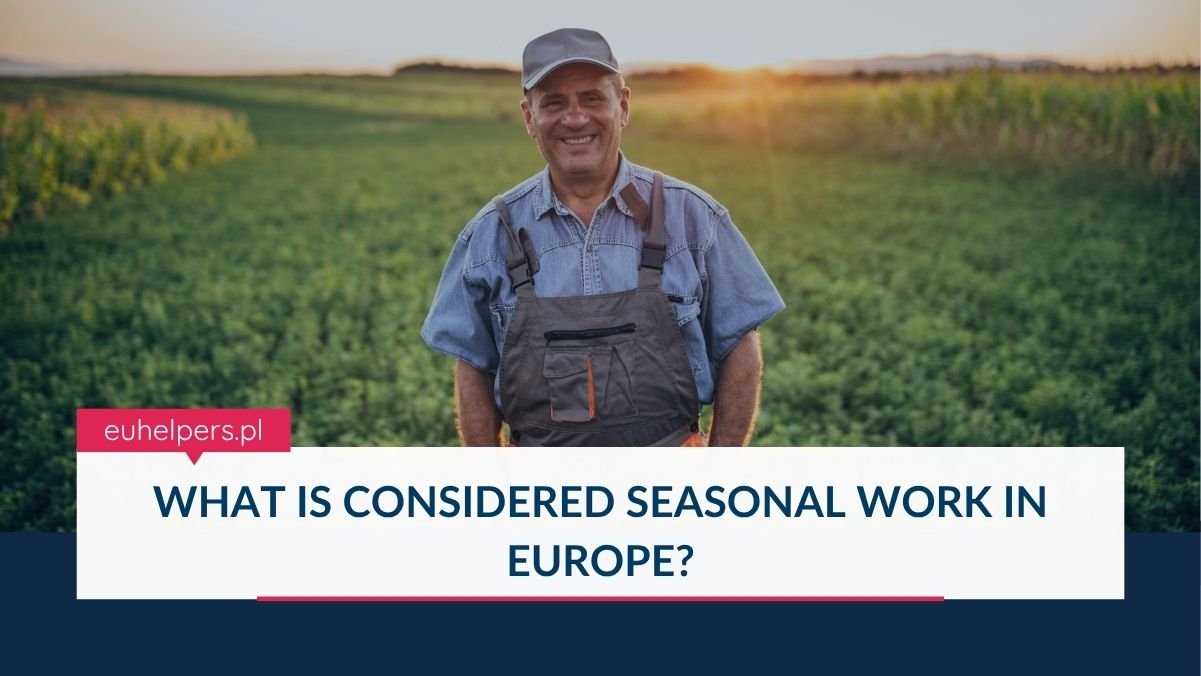
Seasonal work in Europe offers a valuable opportunity for international job seekers to gain experience, earn income, and explore European life — all within a few months. Many employers across the EU hire additional workers during specific times of the year to meet increased demand, especially in agriculture, hospitality, logistics, and tourism.
If you’re planning to work in Europe temporarily, understanding how seasonal work functions can help you apply confidently and legally.
What Is Seasonal Work?
Seasonal work refers to short-term employment linked to a particular season or business cycle. These jobs are not available year-round but arise during specific months — such as harvest season, holiday tourism periods, or manufacturing peaks.
Seasonal jobs usually last between 3 and 9 months, depending on the country and type of work.
Common Seasonal Jobs in Europe
Across Europe, various industries rely heavily on seasonal workers, particularly from non-EU countries. Here are some common examples:
-
Agriculture: fruit and vegetable harvesting, greenhouse operations, and packaging work
-
Hospitality & Tourism: hotel housekeeping, kitchen assistance, catering, and cleaning services
-
Warehousing & Logistics: order picking, sorting, packing, and delivery assistance
-
Construction & Maintenance: short-term projects during warmer months
These jobs often require basic physical fitness and a willingness to work full-time hours, but not advanced qualifications.
Duration of Seasonal Work Permits in Europe
The length of a seasonal work permit depends on national regulations:
-
Poland: up to 6 months in a 12-month period
-
Italy: up to 9 months
-
Germany: 90 days to 6 months, depending on the contract
-
France: up to 6 months per year
-
Croatia and Lithuania: typically 3–6 months
Some employers can help extend the permit if the worker continues in the same position.
Do You Need a Permit for Seasonal Jobs?
If you are a non-EU or non-EEA citizen, you will need a seasonal work permit or visa. Employers usually sponsor this process by providing job offers and necessary documentation.
EU/EEA citizens can work freely across EU countries without permits.
At EUHelpers.pl, we assist job seekers in connecting with verified employers, guiding them through permit applications, residence cards (TRC), and documentation support to ensure a legal and transparent process.
Benefits of Seasonal Work in Europe
Working seasonally in Europe provides both income and experience:
-
Short-term employment with a legal permit
-
Accommodation and food often provided by employers
-
Safe, structured work environments
-
Opportunity to gain European experience and expand career prospects
For many, it serves as a first step toward long-term work opportunities in Europe.
Tips for a Successful Application
-
Verify your employer’s registration and contract details
-
Keep a copy of your work permit and job agreement
-
Ask about accommodation, insurance, and local labor conditions
-
Prepare valid travel documents and medical certificates if required
Conclusion
Seasonal work in Europe is a practical and rewarding way to experience life abroad while earning an income. Whether in agriculture, tourism, or logistics, these short-term opportunities open doors to long-term European employment.
If you’re ready to take the next step, explore current openings and apply through EUHelpers.pl — your trusted recruitment partner for verified jobs across Europe.