
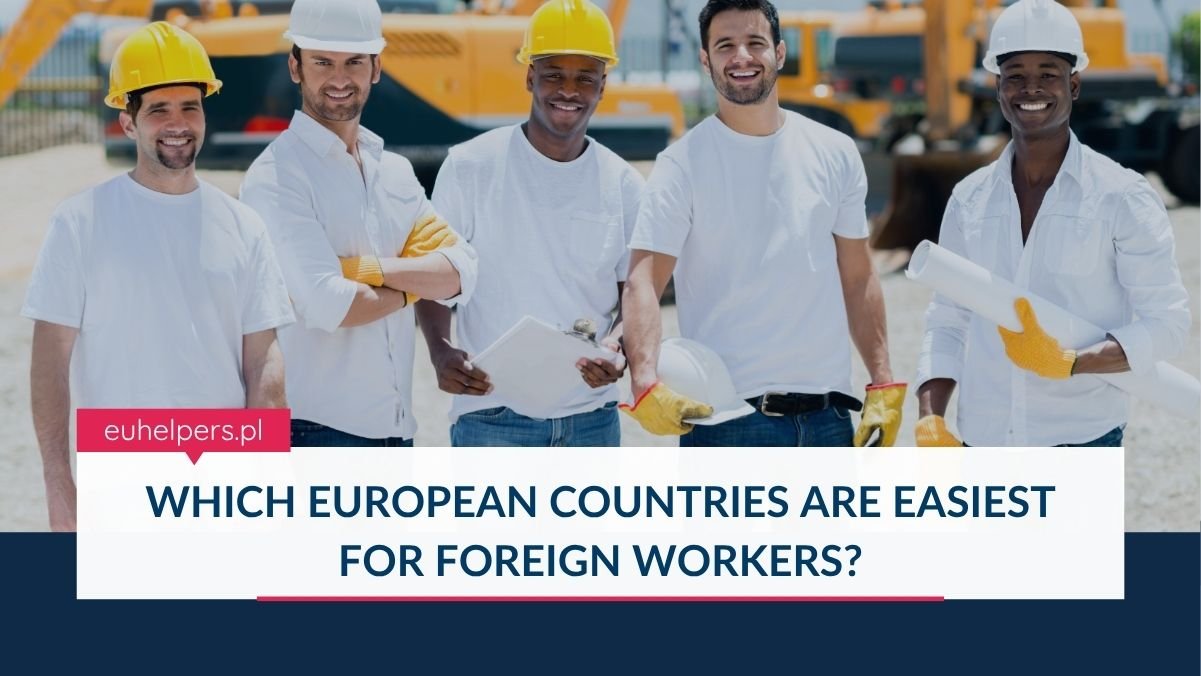
Europe is home to diverse economies and work cultures, offering many opportunities for foreign professionals, skilled laborers, and seasonal workers. However, not all countries are equally easy for non-EU citizens to work in.
So — which European countries are the easiest for foreign workers? Let’s explore the top destinations with clear work permit rules, active job markets, and high acceptance of international talent.
1. Poland
Why Poland?
Poland stands out as one of the easiest European countries for foreign workers. It has a simplified work permit system, high demand in industries like manufacturing, logistics, and IT, and a growing openness to non-EU employees.
Highlights:
-
Easier work permit process (Type A & seasonal permits)
-
Short processing time (4–8 weeks)
-
Affordable cost of living
-
Long-term residence options
Best for: Workers from Asia, Africa, and Eastern Europe seeking stable long-term employment.
2. Germany
Why Germany?
Germany’s strong economy and EU Blue Card program make it a top pick for skilled professionals, especially engineers, healthcare workers, and IT experts.
Highlights:
-
Blue Card for highly qualified professionals
-
Recognition of foreign degrees
-
English-friendly workplaces
-
Large labor shortages in multiple sectors
Best for: Skilled professionals and graduates looking for high salaries and structured immigration pathways.
3. Czech Republic
Why Czech Republic?
The Czech Republic offers steady opportunities in production, transport, and hospitality. Its Employee Card combines work and residence authorization, making the process simpler.
Highlights:
-
Clear and fast permit process
-
Low unemployment rates
-
Moderate cost of living
-
Centrally located within Europe
Best for: Factory, warehouse, and service workers from outside the EU.
4. Portugal
Why Portugal?
Portugal’s friendly immigration laws and welcoming culture make it easy for foreign workers to adapt. It also has a digital nomad visa for remote professionals.
Highlights:
-
Easier residence and work visa routes
-
English widely spoken in major cities
-
Flexible options for freelancers and remote workers
Best for: Remote workers, tech professionals, and hospitality staff.
5. Croatia
Why Croatia?
Croatia is growing fast in tourism and manufacturing. Since joining the Schengen Area, it has simplified visa policies and improved access for non-EU nationals.
Highlights:
-
Seasonal jobs in tourism and agriculture
-
Work visa process simplified after 2023
-
Pathway to EU residence
Best for: Seasonal and semi-skilled workers from Asia and Eastern Europe.
6. Lithuania
Why Lithuania?
Lithuania has one of the fastest work permit processing systems in Europe, attracting many Asian workers in logistics, warehousing, and food industries.
Highlights:
-
Quick processing (2–4 weeks)
-
Government-supported work migration
-
High demand for technical and manufacturing jobs
Best for: Blue-collar and factory workers.
7. Romania
Why Romania?
Romania has become a hub for non-EU workers due to labor shortages and simplified visas. It welcomes workers from India, Nepal, Sri Lanka, Vietnam, and Bangladesh.
Highlights:
-
Low visa rejection rates
-
Reasonable living costs
-
Employers actively hire from abroad
Best for: Construction, cleaning, and hospitality workers.
8. Spain
Why Spain?
Spain offers seasonal, hospitality, and skilled tech positions, along with a new digital nomad visa for remote employees.
Highlights:
-
Various work visa types
-
Residency through long-term work
-
Warm climate and quality of life
Best for: Seasonal workers and digital professionals.
9. Hungary
Why Hungary?
Hungary provides affordable living costs and a steady demand for foreign workers in factories and construction.
Highlights:
-
Easier employer sponsorship
-
Fast work visa turnaround
-
Long-term employment options
Best for: Factory and warehouse workers.
10. The Netherlands
Why The Netherlands?
The Netherlands has a well-organized immigration system and an Orientation Year Visa for international graduates and skilled professionals.
Highlights:
-
English widely used in workplaces
-
Strong labor protections
-
High salaries for skilled roles
Best for: IT, engineering, and logistics professionals.
Top Factors That Make a Country “Easy” for Foreign Workers
When comparing European countries, consider:
✅ Visa simplicity: Fewer steps, faster approval
✅ Employer readiness: Companies willing to sponsor
✅ Language: English-speaking workplaces
✅ Cost of living: Affordable housing and transportation
✅ Legal protection: Equal rights and safe contracts
Poland, Czech Republic, and Romania currently lead in these areas for non-EU applicants.
Key Tips Before Applying for Jobs in Europe
-
Research each country’s work visa requirements carefully.
-
Always verify your job offer and employer’s legitimacy.
-
Avoid working on tourist visas — apply only with proper documentation.
-
Check your rights, salary standards, and residence obligations before signing any contract.
Disclaimer
This article is for informational purposes only. Immigration rules vary by country and may change without notice. Always check official government websites or consult a licensed migration advisor before applying for a European work visa.
FAQs
1. Which EU country gives work permits easily?
Poland, Romania, and Lithuania currently have the simplest work permit procedures for non-EU nationals.
2. Do I need a job offer to get a European work visa?
Yes, in most cases, you need a confirmed job offer and a work permit from your employer.
3. Which country has the highest demand for foreign labor?
Germany, Poland, and the Czech Republic have strong demand across manufacturing, logistics, and IT.
4. Is English enough to work in Europe?
Yes, in many jobs, especially in Poland, Germany, and the Netherlands. But learning basic local language helps integration.
5. Can I move to Europe without a job?
You can apply for a job seeker visa in some countries (like Germany), or a digital nomad visa if you work remotely.